OnePlus 3 to soon receive the Android 9 Pie update
OnePlus recently rolled out the Android 9 Pie based OxygenOS update for the OnePlus 6 which got older flagship owners excited as it was their turn after OnePlus 6. However, the company has decided to delay the update for the OnePlus 5, OnePlus 5T, OnePlus 3T and the OnePlus 3.
During a discussion about the OnePlus 6T on Weibo, the company's CEO Pete Lau mentioned that the Android 9 Pie update will be delayed for the older flagship smartphones including the OnePlus 3/3T and the OnePlus 5/5T. Lau claims that the developers need more time to work on the update for the phones.
Back in July, the company confirmed that the OnePlus 3 and 3T will be receiving the Android 9 Pie update by the end of the year. The Pie update will be the last major update for the 2016 devices. The OnePlus 5/5T, on the other hand, will receive one more major update after the Android Pie.
Though the company claims that the developers need time before they can roll out the update, it is most likely delayed because of the launch of the OnePlus 6T. The launch of the OnePlus 6T is just around the corner and the company might release the update for older flagships soon after the launch of their latest flagship.
OnePlus 6T will run on Android 9 Pie based OxygenOS out of the box. Pete Lau has also teased that the upcoming smartphone will bring a re-design to the OxygenOS.
Amazon Great Indian Festival Sale Wave 2 to begin on October 24
As soon as the Great Indian Festival Sale came to an end, Amazon India has already come up with their next sale. The wave 2 of the Great Indian Festival Sale is set to begin on October 24 and will go on until October 28. Just like the previous one, the upcoming sale will also bring exciting deals and offers for its customers.
“After an overwhelming wave 1 of our Great Indian Festival, we are excited to usher in wave 2 for all customers. We will continue to offer the best selection and biggest deals on our entire selection – from the most sought after smartphones, TVs, appliances to fashion, home & kitchen products, consumer electronics and more.” said Manish Tiwary, Vice President – Category Management, Amazon India.
The sale will bring massive discounts on Amazon products like Fire TV Stick and the 3rd generation Echo devices. While Alexa devices will get up to 70 percent off, Kindle eBook bestsellers will start at Rs. 19 and Kindle Unlimited will be available for just Rs. 1499.
Apart from the Amazon devices, the customers can also find lower prices on best selling smartphones like the Xiaomi Redmi 6A. The Redmi 6A will go on flash sale every day at 12 noon during the sale. There will also be up to 90 percent off on Fashion while Home & Kitchen products will get up to 80 percent discount.
Coming to the bank offers, the customers who use ICICI and Citi cards can save an extra 10 percent on the purchases made during the sale. Also, users can get Rs. 250 cashback if they top up their Amazon Pay balance with Rs. 5,000 or more. There will also be no-cost EMI options on select debit and credit cards.
Asus ZenFone Max M1 and Lite L1 will be exclusively available via Flipkart
Asus has just unveiled two new budget-oriented smartphones in India, the Asus ZenFone Max (M1) and the ZenFone Lite (L1). Both the smartphones are quite similarly priced and do come with a similar set of specifications. Here are the alternatives to look for before you lock your choice on one of these.
RealMe C1
RealMe C1 comes with a Qualcomm Snapdragon 450 chipset
If you want a better-looking smartphone than the Asus ZenFone Lite L1, you should look for the RealMe C1. The RealMe C1 is available in India for a price of Rs. 6,999. The smartphone features a 6.2-inch IPS LCD display. The dual-SIM handset comes with 2GB of RAM and 16GB of onboard storage. It is powered by the Qualcomm Snapdragon 450 SoC.
Xiaomi Redmi 6
Xiaomi Redmi 6 comes with an Helio P22 processor
Xiaomi has also recently announced their new Redmi 6 series. The Redmi 6 is a little bit more expensive than the iVoomi Z1. For the extra price, the phone brings in a MediaTek Helio P22 processor coupled with 3GB of RAM and up to 64GB of onboard storage. The Redmi 6 is available in India for a starting price of Rs. 7,999.
Xiaomi Redmi Y2
Xiaomi Redmi Y2 sports an 18:9 display
If you are willing to spend a little more in exchange for better performance and a better set of cameras, the Redmi Y2 deserves a look. The smartphone is powered by the Qualcomm Snapdragon 625 SoC coupled with up to 4GB of RAM and 64GB of onboard storage. Xiaomi Redmi Y2 is priced at Rs. 9,999 for the base variant while the top end variant goes for Rs. 12,999.
The RealMe 2 features a 6.2-inch IPS LCD display with a resolution of 720x1520 pixels. The smartphone is powered by the Qualcomm Snapdragon 450 SoC. The device comes with up to 4GB of RAM and 64GB of onboard storage. The RealMe 2 is available at a starting price of Rs. 8,990.
At a price of Rs. 7,999, the Infinix Hot 6 Pro is powered by the Qualcomm Snapdragon 425 processor. The phone features a 5.99-inch IPS LCD display with a resolution of 720x1520 pixels. The device runs on Android Oreo and packs in 3GB of RAM and 32GB of onboard storage.
Huawei Mate 20 Pro sports a triple camera at the back
Huawei has just unveiled the new Mate series smartphones at a launch event that took place in London on October 16. The phone's highlight is its triple camera setup at the back and the optical fingerprint scanner beneath the display. Though the phone has launched in the UK, there are no details if and when the smartphone will arrive in India. So, here are the top 5 alternatives you can buy right now.
Huawei P20 Pro
Huawei P20 Pro features a triple camera setup at the back
If you are looking for a smartphone with a triple camera setup, the closest competitor to the Mate 20 Pro is the company's own P20 Pro smartphone. The Huawei P20 Pro sports a 6.1-inch Super AMOLED display with a resolution of 1080x2240 pixels. The smartphone is powered by the Kirin 970 chipset and packs in 8GB of RAM. The phone is currently available for a price of Rs. 64,999.
Samsung Galaxy Note 9
Samsung Galaxy Note 9 comes with a stylus as well
While the Note 9 does not feature a triple camera setup, it is one of the best flagships of 2018 which is why it deserves a spot over here. The Samsung Galaxy Note 9 is powered by the Exynos 9810 octa-core processor. The device packs in 6GB or 8GB of RAM coupled with 256GB or 512GB of onboard storage. The Note 9 is available in India at a starting price of Rs. 67,900.
Apple iPhone XS and XS Max come with a notch up front
If you are looking out for one of the best smartphones available and do not have a price bracket, the iPhone XS deserves a look. The latest iPhone Xs manages to perform better on benchmarks than any Android smartphone out. The iPhone Xs is powered by the company's own Apple A12 Bionic chipset and comes in at a starting price of Rs. 99,900.
If you do not want to spend a fortune on your next smartphone, you should look for the OnePlus 6 instead. The smartphone brings flagship grade specifications for a price lower than Rs. 40,000. Sure the OnePlus 6 does not have as good cameras but if you care more about performance, the Snapdragon 845 won't disappoint you.
Google Pixel 3
If you are looking for the best smartphone camera, the Pixel 3 should do the justice. The phone comes with a single camera at the back but Google's AI does the magic. The phone is available for pre-orders for a starting price of Rs. 71,000.
Vivo, the Chinese smartphone manufacturer has announced the launch of the Vivo Z3i smartphone which comes with a water drop style notch and a designed back. The phone is available in China for a price of CNY 2,398 (roughly 25,500) and here are some alternatives available in India for a similar price point.
Vivo V11 Pro
Vivo V11 Pro comes with a gradient back design
If you want a smartphone that stands out of the crowd, Vivo V11 Pro deserves a look. The phone sports an in-display fingerprint scanner and a water drop style notch up front. The V11 Pro is powered by the Qualcomm Snapdragon 660 SoC coupled with 6GB of RAM. It features a 6.41-inch AMOLED display with a fingerprint scanner. All of this comes at a price of Rs. 25,990.
In case you want flagship grade specifications for a similar amount, the Poco F1 will be a great choice. It is powered by the Qualcomm Snapdragon 845 processor with up to 8GB of RAM and 256GB of internal storage. The smartphone is available at a starting price of Rs. 20,990.
Honor Play
Honor Play comes with flagship grade hardware at a relatively lower price
Quite similar to the Poco F1, the Honor Play also offers flagship grade specifications at a relatively cheaper price point. The Honor Play is powered by the company's own flagship Kirin 970 chipset and comes with up to 6GB of RAM. The Honor Play is available at a starting price of Rs. 19,999.
Nokia 7 Plus runs on a clean stock version of Android
If you are looking for a better build quality and a trustworthy brand, the Nokia 7.1 Plus serves the purpose. At a price of Rs. 25,999, the Nokia 7 Plus brings in a Qualcomm Snapdragon 660 processor. The dual-SIM handset packs in 4GB of RAM and 64GB of onboard storage which is further expandable using a microSD card.
Xiaomi Mi A2
Xiaomi Mi A2 is available in a variety of colours
In case you want to save some money and do not want to spend a lot, the Xiaomi Mi A2 will be a viable option. The smartphone is powered by the Qualcomm Snapdragon 660 SoC and runs on a stock version of Android Oreo as it is a part of Google's Android One program. The Xiaomi Mi A2 is available with a price tag of Rs. 16,999.
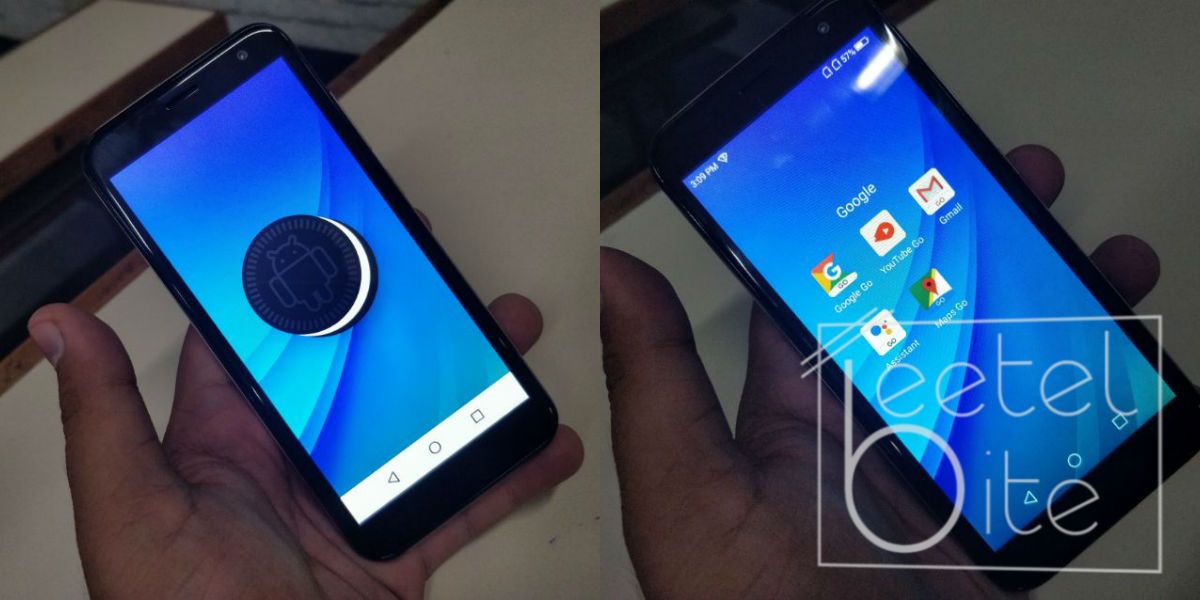
The iVOOMi iPro is a small smartphone that fits perfectly in one hand.
iVOOMi recently launched its first Android 8.1 Oreo (Go Edition) powered smartphone with a shatterproof display. The latest iVOOMi iPro is priced at Rs. 3,999 available exclusively on Flipkart. It sports some nifty features such as face unlock and augmented reality emoji. However, the specifications on the iVOOMi iPro aren't that great. On the bright side, the smartphone runs Google's Android Go operating system, which should make the experience really great. Here is what I thought about So let's find out if the iVOOMi iPro is a good buy or not?
iVOOMi iPro: Specifications
The iVOOMi iPro sports a 4.95-inch Full View display with a resolution of 960 x 480 pixels. The company claims that the display is shatterproof, however, we are not certain how much the smartphone display can sustain before breaking. The iVOOMi Me 3 and the Me 3s also had a shatterproof display, and if the display on the iPro is same, the smartphone will be able to take quite a beating before shattering the display. We know that because we were able to break the one on a Me 3s
The iVOOMi iPro runs on Android Go.
In terms of performance specifications, iVOOMi iPro is powered by the MediaTek MT6737 processor clocked at 1.3GHz. The processor is aided by 1GB of RAM and 8GB of internal storage. There is a dedicated microSD card slot for expandable storage up to 128GB. As far as the optics are concerned, the iVOOMi iPro sports a 5-megapixel rear camera paired with a LED flash. On the front, there is a 5-megapixel shooter for selfies and video calling. The front camera also serves the purpose of facial recognition and can be used to unlock the device. All of this is backed up by a 2,000mAh battery.
iVOOMi iPro: Design
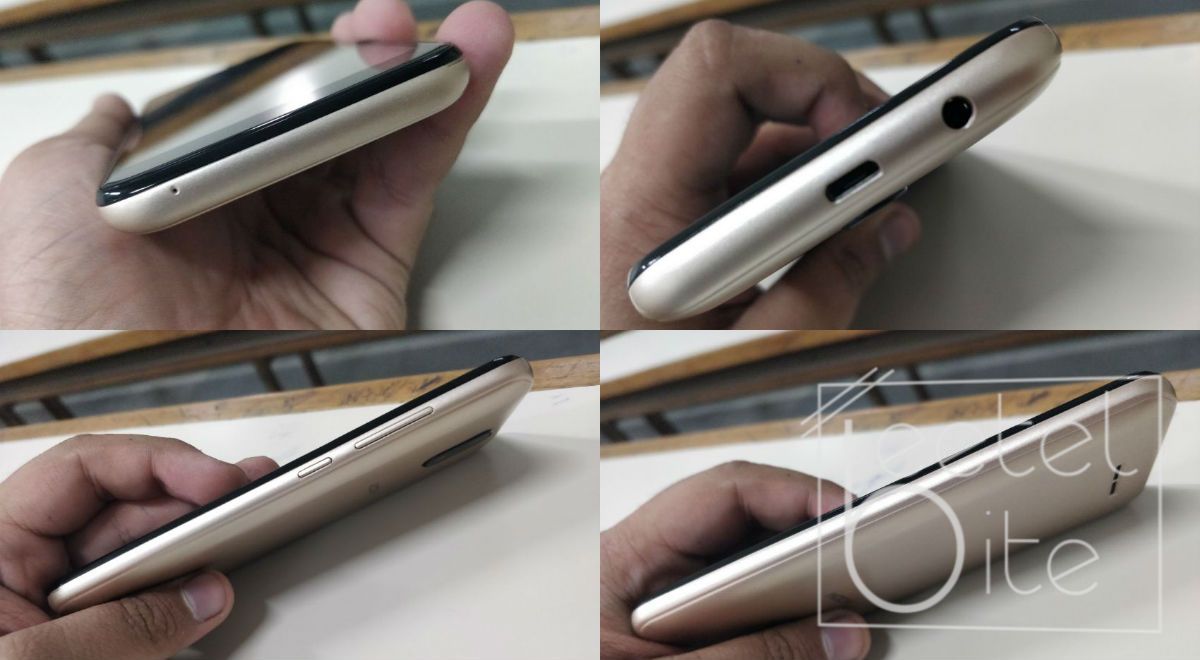
The back of the iVoomi iPro is made out of plastic.
The smartphone fits perfectly in one hand.
The iVOOMi iPro sports a 4.95-inch Full View shatterproof display with an aspect ratio of 18:9. The display on the smartphone is not too great but works for the price point and the overall build quality is a little unsatisfactory. The entirety of the phone feels like its built out of a cheap plastic.
The iPro has looks like a traditional smartphone.
Designwise the phone looks good, but the materials used don't feel so great. However, considering the price point of the smartphone, this was kind of expected. Considering the fact how cheap this smartphone is, I would rather not complain about the materials used. The smartphone feels really cheap in hand, but for Rs 4000, this is one of the best-looking smartphones in the market.
iVOOMi iPro: Camera
On the optics front, the iVOOMi iPro sports a 5-megapixel rear sensor coupled with a 5-megapixel front sensor for taking selfies.
Outside
Inside
Outside
Let's just say that the iPro wasn't just meant to have photos taken photos with its camera. The photos taken with the rear camera come out very dull and the focus is mostly out of place. The white balance is bad and even with great lighting, the details are really bad.
The situation with the front camera is even worse. We tried on multiple occasions to take photos with the front camera, but we couldn't get a single shot that was not blurry.
Sure, the phone is really cheap, but with such low level of camera performance, any person interested in taking photos should give this phone a hard pass.
iVOOMi iPro: Conclusion
The smartphone costs Rs 3,999 and comes with amazing looks and an 18:9 display and a shatterproof display. It runs Android 8.1 Oreo (Go Edition) for improved performance with the low-end hardware, hence the cheap price. But with the company's SmartMe OS 3.0 skin on the top, the smartphone experience is not that good. It is not a really big pain, however, a stock UI would have been much appreciated.
Overall the smartphone is not a bad deal.
Overall, the smartphone looks good in its price segment, however, performance is questionable. The extra features and skin added by iVOOMi on the top slow down the device a lot. The camera is the one topic, you should ignore if you are thinking of purchasing this phone. Overall, considering the price of the smartphone is a really not a bad deal.
Xiaomi recently launched the Poco F1 which brought in flagship grade hardware for a lower price point. However, the phone has a couple of problems that have made the Poco F1 users quite upset. One of those problems is the lack of a battery percentage option in the Settings menu.
On the Poco F1 or any other Xiaomi phone with a notch, the battery percentage is showed only when you bring down the notification shade. So, here is a quick little workaround that will bring the battery percentage on the top.
How to enable Battery Percentage
Head over Settings and tap on Themes
Swipe and look for the "Find More" option and tap on that
Now you can see battery percentage on your Poco F1. However, do make a note that the theme will change your wallpaper and bring significant changes to the overall look and feel of the UI of your smartphone. The wallpaper can easily be changed again once the theme is applied.
This neat little trick is not only for the Poco F1 but also works on other Xiaomi devices that come with a notch up front. We have tested out the theme on Poco F1 as well as the Xiaomi Redmi 6 Pro
Huawei Nova 3 comes with a gradient design at the back
Huawei recently launched the Huawei Nova 3 and Nova 3i in India. The Huawei Nova 3 is an affordable flagship offering from the company that aims to compete against the likes of smartphones like OnePlus 6 and Asus ZenFone 5Z. It comes with flagship grade hardware with a gradient back design similar to the one we got to see on the Honor 10. So, is it the best affordable flagship smartphone you can buy? Find out in our review.
Price: Rs. 34,999
Specifications
In terms of specifications, the Huawei Nova 3 sports a 6.3-inch IPS LCD notched display with a resolution of 1080x2340 pixels and an aspect ratio of 19.5:9. The smartphone is powered by the HiSilicon Kirin 970 processor coupled with Mali-G72 MP12 GPU. The dual-SIM handset comes with 6GB of RAM and 128GB of onboard storage which is further expandable using a microSD card. The phone runs Google's Android 8.1 Oreo-based EMUI 8.2 out of the box. All of this is backed by a 3,750mAh battery.
Design
There is an AI powered dual-camera setup at the back
Just like most flagships these days, the Huawei Nova 3 also comes with a glass and metal sandwich design. Though the design makes the phone look more premium it also makes it less durable. We personally feel that the Iris Purple variant looks a lot better than the Black one as it makes the smartphone stand out of the crowd. The gradient colour design is surely a conversation starter. However, the design gets ruined as soon as you touch it as the whole back is a huge fingerprint magnet, which is why we appreciate Huawei including a clear back case and a pre-applied screen protector.
As far as the looks are concerned, the phone comes with a notch up front which houses the two selfie cameras, an IR sensor for Face unlock, the earpiece and other sensors. Flip the device over and you will find the dual-camera setup vertically aligned and the fingerprint sensor sits at the centre. There is also the Huawei branding which is vertically written to match the whole theme. On the right, there is the power button and the volume rocker while the left of the phone is left empty. On the top, you get a secondary microphone and the bottom edge is occupied by a USB Type-C port and a 3.5mm headphone jack and a speaker grill.
There is a notch up front that has the front-facing camera, earpiece and a couple of sensors
The Huawei Nova 3 features a 6.3-inch IPS LCD display with a resolution of 2340x1080 pixels and an aspect ratio of 19.5:9. The display comes with a notch which is pretty much expected from most of the smartphones launched in 2018. The display is bright enough and we were able to use the phone even on hot sunny days outside.
Software & UI
The Huawei Nova 3 runs Google's Android 8.1 Oreo operating system with the company's own custom skin, EMUI 8.2 on top. The custom skin does tend to bring a lot of features on board but that comes in lieu of performance. Here, we don't mean that the Nova 3 does not perform well but when you compare it to something like the OnePlus 6, which runs on stock Android, it feels a bit slower. Also, during our time with the device, we did notice some lagging and stutters across the device every now and then.
1 of 3
Lock Screen
Home Screen
Settings Page
Huawei Nova 3 comes with features like Hitouch which allows you to put two thumbs on any image and the device can then find the relative product on Amazon. Other features include fingerprint gestures, motion control, voice control and much more.
Performance
Huawei Nova 3 comes with a Kirin 970 chipset paired with 6GB of RAM. The processor is able to handle any task thrown at it. We played games like PUBG Mobile, Asphalt 9 and Mario Run during our testing period and were blown away by the performance. However, the phone did tend to get warm at the back just after few minutes of gaming even though we played without any cover/case.
AnTuTu Benchmarks
GeekBench 4
The daily tasks felt quite fast enough but as we mentioned in the Software & UI section, the UI seemed like a bottleneck here. As far as the performance numbers are concerned, the Nova 3 managed to get an impressive score of 199884 on AnTuTu benchmarks. In GeekBench, the Nova 3 received a respectable score of 1912 in single core performance and multi-core achieved a whopping 6561 points.
However, we really cannot trust these numbers as Huawei has recently been caught cheating in these benchmarking applications. Also, its worth noting that we haven't received any software update since then.
Camera
Huawei Nova 3 bears a dual camera setup at the back consisting of a 16-megapixel primary and a 24-megapixel secondary sensor. The primary sensor is used to capture the images while the secondary lens is a monochrome sensor and captures detail blacks and whites. The dual-camera setup often brings out good portrait shots with a good amount of edge detection.
Bokeh Mode
The AI camera features allow the Nova 3 to automatically detect the scenes so that it can adjust the exposure and other settings accordingly. The AI feature is more like a hit or miss. However, the ability to disable the AI mode after the shot is taken is much appreciated.
AI mode is able to detect food
On the front, there is a 24-megapixel primary sensor coupled with a 2-megapixel secondary sensor. The selfies come out pretty good and thanks to the secondary lens, portrait mode works quite well with the front cameras as well. There is also an HDR Pro mode for selfies which prevents white backgrounds from looking overexposed.
Selfie Camera
Bokeh Mode
Huawei has also borrowed some features from Apple's iPhone X but the implementation here is pretty bad. The 3D mode allows you to take shots with effects like Stage Lighting, Classic lighting and more. Also, there is AR Lens which is quite similar to the AR Emoji on the iPhones. The AR Lens is good to have but not something I would miss if gone. The iPhone X and later use extra sensors to achieve such performance, while the Nova 3's AR Lens is totally dependent on the front camera which is why iPhones are able to do it better.
Under the hood, the Huawei Nova 3 packs a 3,750mAh non-removable battery. The relatively large battery and Huawei's optimisations on EMUI make the phone last more than a day. During our review period, with heavy usage, we were easily able to get through one full working day on a single charge. With low to medium usage, the smartphone can easily last for more than one day.
Verdict
Huawei Nova 3 is a decent smartphone for its price
The Huawei Nova 3 brings a lot to the table at a price tag of Rs. 34,999. However, the competition at that price range is currently very aggressive. Considering smartphones like OnePlus 6, Asus ZenFone 5Z, Poco F1 and Honor Play exist in the market makes it quite hard to recommend the Huawei Nova 3 over these alternatives.
However, the Nova 3 does come with a few features which make the device stand out from the other. Personally, I was quite impressed by the Iris Purple colour which gives a dual tone colour at the back. It looks quite attractive in hand rather than in the photos. So, if you are interested in the Nova 3, we highly recommend getting the Iris Purple variant.
The long-lasting battery life and AI camera features are much appreciated. The Face Unlock on the Nova 3 is quite fast and the fact that it comes uses an Infrared sensor saves your eyes from getting blinded while trying to unlock your phone in dark rooms. So, it basically comes down to your preference and needs in your next smartphone. We highly recommend to check out some of the alternatives as well before locking in your decision.
WhatsApp is one of the most popular cross-platform messaging application. There are other applications as well which provide similar functionality with more or fewer features like Telegram, Hike and others. As we noticed a growth in the popularity of Telegram, we decided to compare it to WhatsApp and see if it is any better.
Interface
As for the interface, Telegram uses a very simple UI where you see your recent messages as soon as you fire up the application. WhatsApp on the other side looks a bit cluttered as it has a total of four tabs including, Camera, Chats, Status and Calls. Though telegram has a calling feature, it does lack a separate tab for the same. However, this helps in keeping the whole UI minimal and to the point.
Chat Window
Chatting on both the applications is quite convenient as they have a very minimalistic UI. However, Telegram gains an extra point here as it also has sticker support which is touted to arrive in WhatsApp soon. Also, WhatsApp has Call and Video Call option available right next to the contact name whereas Telegram users need to tap on the three-dot menu. Personally, I prefer Telegram here as I end up tapping on the WhatsApp's Call button whenever I try to view the profile of that person.
Both the applications come with basic features like Voice Calls, Group chats and broadcast channel. However, Telegram currently does not support Video calls and also lacks something like Instagram Stories which WhatsApp likes to call Status. Where Telegram does take the leas is Secret Chats. Secret Chat can be initiated with any Telegram users where your chats will not be backed up and you can even send self-destructive messages.
Verdict
None of the two applications wins an award here and both the apps need some work to get better at what they do. However, WhatsApp currently has an edge as it has more user base than Telegram and even if you decide to shift to Telegram now, you will have to force your friends and relatives to come along.
The Razer logo at the back of the smartphone glows and can change colour.
Razer has finally unveiled their latest gaming focused smartphone, Razer Phone 2. The predecessor of which dubbed Razer Phone was focused on the gaming segment while the Razer Phone 2 is focused more on being an Android flagship optimized for gaming. However, at $799.99 (approximately Rs. 59,000) it still sports an LCD display panel with an aspect ratio of 16:9. But as a bonus, the LCD display features a 120Hz refresh rate which is not possible with an OLED panel, and one of the best speakers in a smartphone.
Here is a list of the top five alternatives to the newly launched Razer Phone 2:
Asus ROG Phone
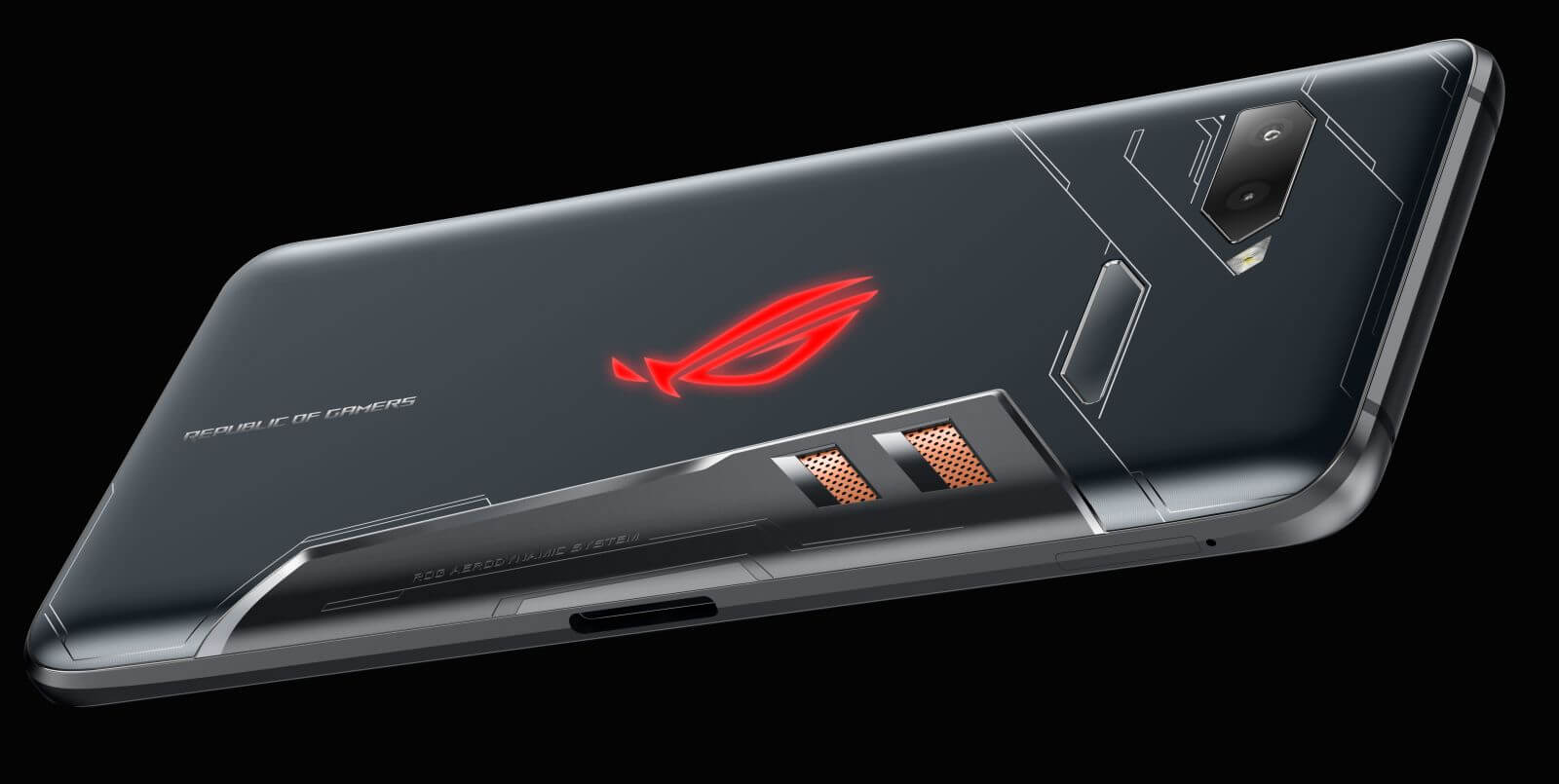
The Asus ROG phone sports an air cooling setup.
Republic of Gamers is a well-known name for gamers on PC. The company unveiled their last generation Razer Phone phone a few months ago. The smartphone features an eye-catching design, along with an air cooling system instead of a heat pipe offering better performance under load. It also sports a connector for the various ROG accessories. All of this combined, the gaming performance of the ROG phone is comparable to Razer Phone 2 if not better.
Google Pixel 3 XL is the latest offering by Google.
If you aren't completely focused on gaming, Google Pixel 3 and Google Pixel 3 XL are great options. It sports the same processor coupled with a little less RAM, but a better camera and stock Android. With this, you get a bigger screen, fewer bezels, almost similar speaker setup, and faster software updates. It also starts at the same price as the Razer Phone 2.
The cheap price of the Blackshark makes it a good option.
Xiaomi's Black Shark is a gaming smartphone. The smartphone features top of the line hardware specifications, equivalent to other smartphones on this list. However, it lacks in various departments, like wireless charging or a better cooling solution like the Asus ROG phone. What it lacks in special features, it makes up in price. Xiaomi Black Shark is a sub $500 gaming smartphone. However, it is only available in the China market.
Samsung Galaxy Note 9
The S-Pen is one of the best features of Note 9
Samsung Galaxy Note 9 is one of the most powerful non-gaming focused Android smartphone currently available in the market. The smartphone sports similar internals compared to all of the above and additionally comes with an S-Pen, fast wireless charging and much more. Apart from all that it also sports a massive display and a camera setup that beat most of the other competitors.
LG V40 ThinQ is the latest flagship by the company, launched by the company a few days ago. It not only sports the 3.5mm headphone jack that the Razer phone 2 doesn't. It also supports a quad-DAC setup which improves the sound quality by a lot. It also sports one of the most amazing camera setups in the market right now.