Sony has finally unveiled its 2018 edition of flagship smartphones. The company took advantage of the MWC 2018 held in Barcelona to make the announcement. As the company likes to do, this time also there is a normal variant and a compact variant. The two new smartphones are named Sony Xperia XZ2 and the Xperia XZ2 Compact. The Xperia XZ2 will compete against the Samsung Galaxy S9+, Google Pixel 2 XL and the Apple iPhone X. The Xperia XZ2 OCmpacnt, on the other hand, competes against the likes of the Pixel 2, Galaxy S9 and the iPhone 8.
Specifications
In terms of specifications both the smartphones are identical. The Sony Xperia XZ2 features a 5.7-inch FHD+ display while the XZ2 Compact sports a 5-inch FHD+ display. Displays on both the smartphone are on 18:9 aspect ratio. Bot the smartphones are powered by the Qualcomm Snapdragon 845 SoC. Both the devices pack in 4GB of RAM and 64GB of onboard storage. If the storage sounds less to you, the smartphones also offer a microSD card slot that can take up to 400GB.
The Sony Xperia XZ2 and XZ2 Compact run on Android 8.0 Oreo out of the box. Under the hood, the XZ2 comes with a 3180mAh battery while the XZ2 Compact has a smaller 2870mAh battery. Both the smartphones support Qualcomm's Quick Charge 3.0 for fast charging.
On the optics front, both the smartphones come with a 19-megapixel Motion Eye rear camera. The rear camera supports 4k HDR recording, 8x digital zoom and SteadyShot technology. Up front, there is a 5-megapixel selfie shooter.
The Sony Xperia XZ2 and XZ2 Premium will be availbe in Liquid Silver, Liquid Black, Deep Green and Ash Pink colour variants. Sony has not revealed the pricing and availability details of the devices.
HMD Global had a press conference on Monday where they made a couple of exciting announcements. The finish giant announced the launch of the Nokia 8 Sirocco, Nokia 7 Plus, Nokia 6 and the Nokia 1 Android Oreo (Go Edition). The Nokia 8 Sirocco is the new flagship offering from the company to compete against the likes of the Apple iPhone 8, Samsung Galaxy S9 and the LG V30.
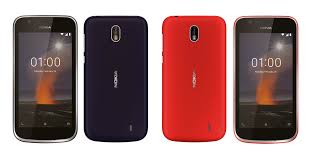
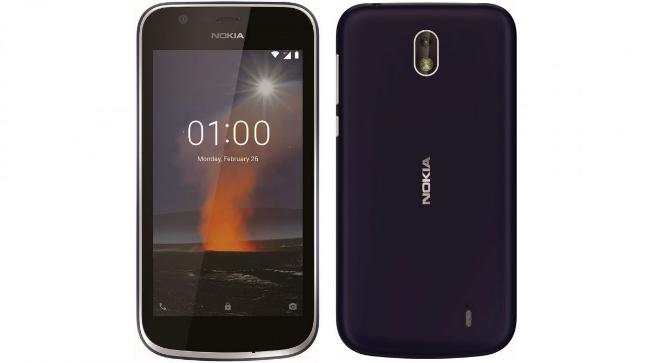
Nokia 1, on the other hand, is an entry-level offering from the company. Nokia 1 is also the first smartphone to come with Android Oreo (Go Edition). The Nokia 6 Plus is a mid-tier device from Nokia while the Nokia 7 Plus sits at the competition of the OnePlus 5T and the Xiaomi Mi Mix 2.
Nokia 8 Sirocco
The Nokia 8 Sirocco is powered by the Qualcomm Snapdragon 835 SoC. The smartphone features a 5.5-inch QHD P-OLED display. The device packs in 6GB of RAM and 128GB of onboard storage. The Nokia 8 Sirocco runs on Android Oreo out of the box. Under the hood, there is a 3,260mAh battery powering up the internals.
On the optics front, the Nokia 8 Sirocco features a dual camera setup at the back one of which is a 12-megapixel camera with a f/1.75 aperture. The secondary camera is a 13-megapixel telephoto lens with f/2.6 aperture. The rear camera setup is backed by a dual tone LED flash. Up front, there is a 5-megapixel selfie shooter with f/2.0 aperture.
Nokia 7 Plus
As far as the specifications are concerned, the Nokia 7 Plus features a 6-inch full HD+ with an 18:9 aspect ratio. The smartphone is powered by the Qualcomm Snapdragon 660 SoC. The device packs in 4GB of RAM and 64GB of storage. The storage on the device is further expandable up to 256GB using a microSD card. The Nokia 7 Plus runs on Google's Android 8.0 Oreo operating system out of the box. Under the hood, there is a 3800mAh battery powering up everything.
As for the optics, the Nokia 7 Plus sports a dual camera setup at the back. Just like the Nokia 8 Sirocco, the Nokia 7 Plus also has a 12MP+13MP camera setup at the back. Up front, there is a 16-megapixel selfie snapper which also helps in Face Unlock.
Nokia 6 (Android One)
Nokia 6 (2018)
The Nokia 6 is powered by the Qualcomm Snapdragon 630 chipset. The smartphone features a 5.5-inch IPS LCD full HD display with a 16:9 aspect ratio. The device packs in 3GB of RAM coupled with either 32GB or 64GB of inbuilt storage. Storage on the device is expandable up to 128GB using a microSD card. This Nokia 6 comes with Android One platform and runs on Android 8.0 Oreo out of the box. The smartphone is backed by a 3,000mAh battery.
In the camera department, the Nokia 6 features a 16-megapixel camera at the back with f/2.0 aperture and a dual-tone LED flash. The phone also features an 8-megapixel front-facing camera for selfies and video calling.
Nokia 1
In terms of specifications, the Nokia 1 runs on the MediaTek MT6737M processor. The MT6737M is a Quad Core chipset clocked at 1.1GHz. The smartphone features a 4.5-inch FWVGA display. The device packs in 1GB of RAM and 8GB of internal storage. The storage is further expandable up to 128GB using a microSD card. The smartphone runs on the Android Oreo (Go edition), which is also the biggest highlight of the smartphone. Under the hood, there is a 2,150mAh battery.
Price and Availability
Starting off with the Nokia 1, the entry-level phone is priced at USD 85 (roughly Rs. 5,500). The flagship Nokia 8 Sirocco is priced at EUR 749 (approx Rs 59,600). The Nokia 7 Plus comes with a price tag of EUR 399 which roughly converts to Rs. 32,000.
Samsung, the South Korean giant, has finally taken the wraps off the much anticipated Galaxy S9 and S9+. Just a day ahead of the MWC 2018, the Samsung Galaxy S9 and S9+ are here to gain all the attention. The smartphones are the all-new flagship offerings from the company. These smartphones are the direct successors to the last year's S8 and S8+.
The new flagships from Samsung are more of improved versions of the last year's flagships. A few things remain the same, like the infinity display, the battery capacities and the RAM and storage combination for the smaller variant. However, the cameras are what the company likes to call "Reimagined."
With the Galaxy S9 and S9+, the company has also launched a new Samsung Dex pad. Samsung Dex was introduced with the S8 and S8+ which allows the user to convert their smartphones into a full-fledged PC. Samsung has also introduced a Galaxy S9 Enterprise Edition for Business. The Enterprise Edition also includes maintenance support, extended warranty and up to 4 years of security updates.
The Samsung Galaxy S9 and S9+ are IP68 rated which makes them dust and water resistant. For security, the smartphones come with Fingerprint Scanner, Iris Scanner and Facial Recognition. The company has also placed the Fingerprint scanner at a better location than last year. The smartphones also come with Samsung Knox 3.1 bringing multiple layers of security.
Samsung Galaxy S9 Specifications
As far as the specifications are concerned, the Galaxy S9 features a 5.8-inch Super AMOLED display with a resolution of 2960 x 1440 resolution. The smartphone is powered by the Qualcomm Snapdragon 845 SoC for the units sold in the US. The units sold outside of the US will come with the Exynos 9810 chipset. The device packs in 4GB of RAM coupled with 64GB of storage. Storage on the device is further expandable up to 400GB using a microSD card. The Galaxy S9 runs on Android 8.0 Oreo with Samsung Experience 9.0 out of the box. Under the hood, there is a 3,000mAh battery powering up the internals.
On the optics front, the Galaxy S9 features a 12-megapixel rear camera with variable aperture. The dual aperture on the smartphone can switch between f/1.5 and f/2.4. The smartphone can also record super slow-mo videos at 240 frames per second in 1080p. It is also capable of recording videos at 960fps at 720p. Up front, there is an 8-megapixel selfie snapper.
Samsung Galaxy S9+ Specifications
In terms of specifications, the Galaxy S9+ sports a 6.2-inch Super AMOLED display. The display comes with a resolution of 2960x1440 and an 18:9 aspect ratio just like the S9. Similar to the S9, the Galaxy S9+ also comes with Snapdragon 845 SoC in the US. Outside the US, the Galaxy S9+ will be available with Exynos 9810 chipset under the hood. The device packs in 6GB of RAM coupled with 64GB of onboard storage. Storage on the S9+ is further expandable up to 400GB using a microSD card. Just like the S9, the S9+ also runs on Android 8.0 Oreo out of the box. As the S9+ has a larger display, it comes with a larger 3,500mAh battery.
For the optics, the Samsung Galaxy S9+ sports a 12-megapixel dual camera setup at the back with dual aperture. The aperture on the back camera can vary from f/1.5 and can go all the way up to f/2.4. The rear camera also supports variable aperture and comes with a dual tone LED flash. Just like the S9, cameras on the S9+ are also capable of recording super slow-mo videos at 240 frames per second in 1080p. It is also capable of recording videos at 960fps at 720p. Up front, there is an 8-megapixel front-facing camera for selfies and video calling.
Price and Availability
As far as the pricing is concerned, the Samsung Galaxy S9 is launched at a price of USD 799 which roughly converts to Rs. 51,700. The Galaxy S9+ is priced at USD 949 which is roughly Rs. 61,400. The smartphones are available in Midnight Black, Coral Blue, Lilac Purple and Silver Titanium colour variants. The pre-orders for the Samsung Galaxy S9 start from March 2 and it will be available in the markets starting March 16.
Chinese smartphone giant, Xiaomi recently unveiled the Redmi Note 5 Pro in India. The smartphone starts at a price of Rs. 13999. The unique selling point of the smartphone is an 18:9 aspect ratio and a dual-camera setup. Unlike other smartphones, it packs a dual camera setup with two RGB sensors. Companies generally put a monochrome or a wide angle sensor.
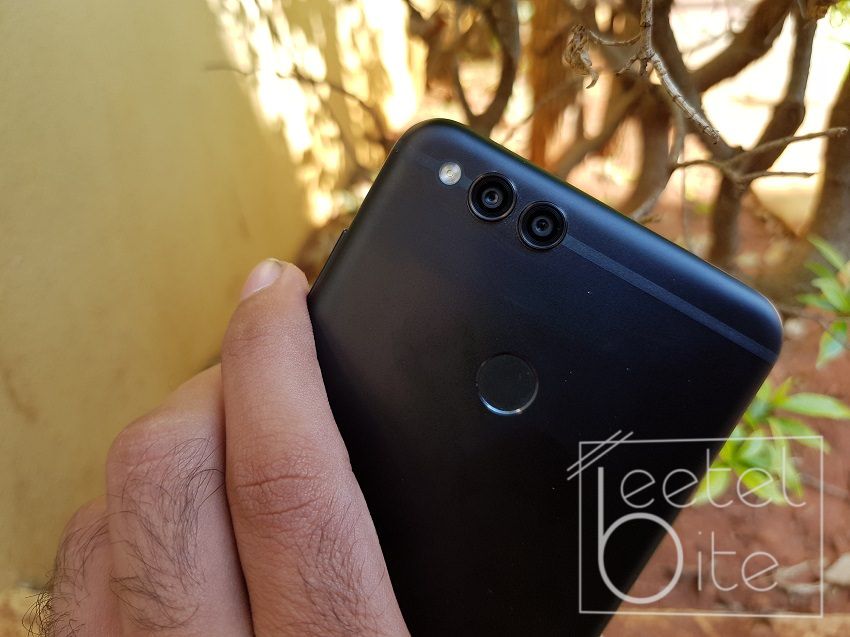
This puts the smartphone is a direct comparison with the Honor 7X and their own Mi A1. The Honor 7X has fewer bezels than the Redmi Note 5 pro, despite both having an 18:9 display. The older Mi A1 has a traditional 16:9 display and it makes it look in a different league in front of Note 5 Pro and Honor 7X.
However, the older Mi A1 pops out as its an Android One device. It means it is running a stock Android OS and will receive regular updates for the next two years. This can't be said about the other two devices. Both the Honor 7X and Redmi Note 5 Pro run on their manufacturer's custom skin. That's why both of these devices are still stuck on Android 7.1.1 Nougat while the while the Mi A1 has been upgraded to Android 8.0 oreo.
The Redmi Note 5 Pro sports an 18:9 display lowering the size of bezels. On the back, it has a dual camera setup with iPhone X styled camera. This makes the device's design a little controversial. However, the people seem to have a love-hate relationship with its design.
The Honor 7X also sports an 18:9 display lowering the size of bezels. On the back, it also has a dual-camera setup. The design on the smartphone is same as the design followed by other Honor smartphones. It really gives the brand a unique look.
However, with the Mi A1, the story is a little different. It sports a traditional 16:9 display and a dual camera setup on the back. The design of the smartphone is nothing unique but is surely good looking.
Xiaomi Mi A1 Red
All three of the smartphones have their fingerprint sensor in the back. All of them look and feel good in the hand. Someone can't really go wrong with any of them.
Software
The Mi A1 clearly takes the lead here. It is a part of Google's Android One program. It means it will run on stock android and will receive regular updates for the next two years. This shows as it has already been updated to Android 8.0 Oreo.
Xiaomi Mi A1
Both the Redmi Note 5 Pro and Honor 7X run on heavily skinned MiUi and Experience UI respectively. It not only bogs down the device compared to stock android but also delays updates. This is seen as both of the smartphones still are running on Android 7.1 Nougat.
Performance and Battery
Both the Redmi Note 5 Pro and the Honor 7X beat the Mi A1 in terms of raw specifications. This is due to the fact that the Mi A1 was launched long before both of these smartphones. However, with the Mi A1's stock Android, the real world performance of the smartphones are totally comparable. The devices perform almost similar in all the real-life performance tasks.
In terms of battery, the 4,000 mAh battery of the Redmi Note 5 Pro beats the 3,340 mAh battery of the Honor 7X and 3,080 mAh of the Mi A1. This is also evident in the battery life tests. However, the slower micro-USB charging port with no support for fast charging puts it down. With the USB-C port of the Mi A1 and support for Qualcomm fast charge, the charging times of the Mi A1 are the fastest. This makes it a better deal for a quick top-up.
Camera
All three of the smartphones sport a dual-camera setup. However, the newer Redmi Note 5 Pro sports a vertical setup like the iPhone X. Both of the other smartphones sport a horizontal setup. In terms of numbers, the camera of all three smartphones performs almost the same.
Xiaomi Mi A1
However, from the past, we have seen that the numbers aren't the only thing that matters. Camera processing software and sensor quality also play a major role. The portrait mode on the Honor 7X is really bad. It is not able to differentiate between the subject in focus and other objects. Also, its depth sensing is really bad. However, normal photos from the smartphone are good enough.
In case of the Xiaomi Redmi Note 5 Pro and their own Mi A1, it is seen that the camera of the Mi A1 is slightly better than the Redmi Note 5 Pro. To a naked eye, the images are almost similar but with the Mi A1 outperforms the Redmi Note 5 pro slightly. This is most probably due to the better camera processing software of the stock android.
Mobile World Congress 2018 is here and most of the major tech companies have something to share. One of the major tech company is HMD Global who handles Nokia smartphones. HMD Global has a press conference set for Sunday, February 25 in Barcelona. At the press event, the company is said to unveil two new smartphones. These smartphones include the much awaited Nokia 1 and the Nokia 7 Plus. The company might also take the opportunity to launch the Nokia 3310 4G globally.
How to watch the Live stream?
Like most of the companies, Nokia will also be live streaming its event. This way people who cannot make their way to Barcelona can enjoy the event sitting at home. The event is set to kick off at 4 PM CET which converts to 8:30 PM IST. The live stream will be available at Nokia Mobile Facebook page, as well as the Nokia website.
What to expect?
The company is expected to unveil the much anticipated Nokia 1 at the MWC 2018. Nokia 1 is said to come with Android Oreo (Go Edition). The smartphone will be an entry-level Android phone from Nokia. We have already seen plenty of leaks for the Nokia 1 which has given us an idea of what the smartphone will look like. As per the leaks, the Nokia 1 will come with a 720p HD display and an entry level processor. The smartphone will pack in 1GB of RAM with 8GB of storage.
Source: Evan Blass
Nokia is also expected to unveil the Nokia 7 Plus. According to the leaks, the Nokia 7 Plus will feature a 6-inch full-HD+ display with an 18:9 aspect ratio. The smartphone is said to carry 4GB of RAM coupled with 64GB of onboard storage.
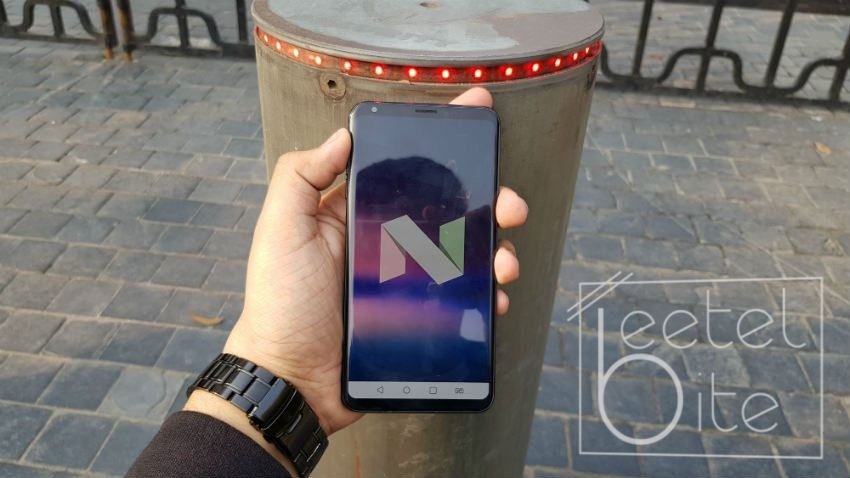
LG said at a conference at CES that they won't release new smartphones just for the cycle refresh. Instead, they will be launching new variants of the existing smartphones. Following what they said, the company unveiled the new V30S ThinQ and V30S+ ThinQ. These aren't new smartphones but, just an upgrade over the LG V30 and V30+. These are nothing but just memory upgrades to their previous counterparts. So, the S and the S+ simply stand for the V30 with 6GB RAM/128GB storage and 6GB RAM/256GB storage respectively. The ThinQ tag at the end stands for their new AI features.
However, all is not about some memory upgrades to this smartphone. The company also announced new colors available for the devices. These are namely New Moroccan Blue and New Platinum Gray. However, the will be the only launch colour options for the V30S and V30S+. However, given the company's track record, expect some more colours to be added in the future.
LG V30S ThinkQ
As we said, the V30S is a memory and storage upgrade over the V30. As for the ThinQ part, it is LG's new AI. Seems like the trend of 2018 is AI and nothing else. The platform is just like the Samsung's Bixby found in Samsung devices. It will span throughout V30S UI and help the users with their day to day task. It will also be able to connect to smart home appliances and aid in all things IoT.
To make it understandable to common folk. The LG ThinkQ has several parts. One of it is its AI CAM. It is a layer of artificial intelligence processing on top of the camera. It is designed to recognize the subject, apply computer vision and adjust the camera settings accordingly. Currently, it can sort things into 8 different categories. Namely Portrait (Person), Animal, City/Building, Flower, Sunrise, Sunset, Food and Landscape. It is not something new, but definitely a helpful addition.
Then there is the QLens. The QLens can attempt to recognize specific objects. It can later help users find and purchase that item with image search. It can also read QR codes, a practical addition. Last, but definitely not the least, it can help communicate with all existing and future IoT, smart appliances, like washing machines and dryers.
LG ThinQ UI
The company is also aiming at keeping the ThinkQ and its AI efforts as open source as possible. Things like Google Assistant integration fits well with that ideology. With that in you should be able to ask ThinkQ general questions. These questions include things like take photos and search for things. Users can also, communicate to IoT device straight through Google's AI voice or text.
Also, all of the present V30 and V30+ users will be excited to know that the ThinkQ platform will be coming to their smartphones soon. The company is also making huge claims about the new Bright Mode. The new model will improve the low-light performance of the camera.
Availability
As for the availability, the new V30 variants will be available sometime next month. Also, the pricing is still unknown. Many of the markets will see the regular V30 vanished in favour of the new V30S and V30S+.
Samsung is all geared up to launch the much anticipated Samsung Galaxy S9 and S9 Plus. The smartphones will be launched at the Samsung Unpacked 2018 event which will be held at Barcelona on February 25. The event is taking place a day ahead of MWC 2018. The people who cant make their way to Barcelona for the event can watch the whole event live online.
How to watch the live stream?
Interested people can head over to Samsung's official website to watch the event live. Samsung will live stream the event on Samsung Newsroom, Samsung.com and Samsung Mobile Press. As far as social media is concerned, the company will also live stream the event on their official Facebook and Twitter handle. The company will also enable 360-degree experience for the viewers.
The Samsung Unpacked 2018 live stream is not only limited to the websites. The company has also released an iOS and Android app called the Unpacked 2018. You can download the application in order to watch the live stream of the event. The Samsung Unpacked 2018 event will begin on February 25 at 6 pm CET (10:30 PM IST).
As per the leaks, the Samsung Galaxy S9 and S9+ will be powered by the Exynos 9810 SoC. The smartphones in the US will come with Qualcomm Snapdragon 845 chipset. The Galaxy S9 will sport a 5.8-inch while the S9+ will feature a 6.2-inch display. Displays on both the smartphones will be Super AMOLED and come with a resolution of 1440x2960 pixels. The Galaxy S9 will pack in 4GB of RAM while the S9+ will have 6GB of RAM. Both the smartphones will run on Android 8.0 Oreo out of the box.
Samsung has finally resumed the Android 8.0 Oreo update for the Samsung Galaxy S8 and S8+. The company suspended the update soon after the rollout due to users reporting few issues. The users reported that the smartphone would unexpectedly reboot. Samsung has finally fixed the issue and has started rolling out the update again. The new update comes with the build numbers G950FXXU1CRB7 and G955XXU1CRB7 for the Galaxy S8 and S8+ respectively.
Samsung started rolling out the Android Oreo under a beta stage for the Galaxy S8 and S8+ back in November. The company rolled out the stable version last month which had a few issues. Now the issues are said to be solved and there will be no repeated reboots again. The update is available for devices in Turkey, Norway, UAE, India, Belgium, Germany, France, Poland and more.
Speaking about the problems, we at BeetelBite did not face any random reboot issues with our unit. However, we did notice that apps were unexpectedly crashing after the Oreo update. We hope that the new update fixes that issue too. The software update for those who were already in the first batch of Oreo will weigh in at around 530MB. The changelog of the update shows Device stability improvements, bug fixes, new and/or enhanced features and further improvements to performance.
Samsung Galaxy S8 and S8+ users might get the notification for the update anytime soon. If you want to check for any available updates head over to Settings. In Settings tap on Software Updates and tap on Download Updates Manually.
As all the telecom operators are coming up with cashback offers on 4G smartphones, Bharti Airtel does not want to be quiet. Bharti Airtel has partnered up with Motorola to bring Rs. 2,000 cash back on select smartphones. Airtel has covered these smartphones under their Mera Pehla Smartphone initiative. The smartphones include Moto C, Moto E4 and the Lenovo K8 Note.
Vani Venkatesh, Chief Marketing Officer, Bharti Airtel said, “We are delighted to collaborate with Motorola under the ‘Mera Pehla Smartphone’ initiative. It marks a major milestone in our journey towards building a large open ecosystem of affordable smartphone options for our valued customers. We look forward to working with Motorola to bring smartphones within the reach of more and more customers.”
Sudhin Mathur, Managing Director, Motorola Mobility India and Lenovo MBG India, said, “We are delighted to partner with Airtel in the ‘Mera Pehla Smartphone’ initiative, as it opens a world of limitless possibilities for the consumers. It is a great opportunity for Airtel subscribers to upgrade to 4G and enjoy the meaningful experiences across Motorola & Lenovo smartphones. We are confident that with this partnership, we will be able to empower more users with an enriched mobile experience.”
Effective Prices
The Moto C was originally priced at Rs. 5,999 and can now be grabbed at an effective price of Rs. 3,999 after the Rs. 2,000 cashback. Moto E4 now has an effective price of Rs. 6,499. Moto E4 has a retail price of Rs. 8,499. The Lenovo K8 Note is now available at an effective price of Rs. 10,999. The smartphone originally comes with a price tag of Rs. 12,999.
To avail the cashback benefit, customers will need to make prepaid recharges worth Rs. 3,500 in the course of 18 months. This will bring them a cashback of Rs. 500 after 18months. For the next 18 months, users will need to make recharges worth Rs. 3,500 to get Rs. 1500 cashback at the end of the period.
2Idea cellular is one of the most popular telecom operators in the country. In an attempt to counter Reliance Jio latest offer, Idea came out with their own offer. The company recently announced that it will be offering its customers cashback on new smartphones. Its customers will be eligible to get a cashback of Rs 2,000 on all new 4G smartphones.
Idea's prepaid and postpaid users who buy a brand new 4G smartphone will be eligible for this offer. Smartphones bought on or before 30th April 2018, will be eligible for this offer. The company will offer Rs 2,000 as cashback to these users. The offer period starts February 23.
“Idea’s new cashback offer provides freedom of choice to the customers to use the 4G device of their liking and affordability, as the offer can be availed on 4G smartphones of all brands.”
-Sashi Shankar said in a press statement.
How to available Idea's new cashback offer?
The company's prepaid customers will need to do a monthly recharge of Rs 199 or above to be eligible. Those users opting for the Rs 398, Rs 449, Rs 459 and Rs 509 plans do not need to recharge every month. In a nutshell, the Idea users will need to get a cumulative recharge of minimum Rs 3,000 in the first 18 months. Users who do this are eligible to get a cashback of Rs 750. The remaining Rs 1,250 will be added as a cashback at the end of next 18 months. So, in a nutshell, the cumulative recharge amount for this period is Rs 3,000 and the cashback in Rs 2,000.
However, the story is different for Idea postpaid users. Idea postpaid users will have to opt for the company’s Nirvana voice combo. These voice combo plans start at Rs 389. Users will have to use this plan for a duration of at least 36 months to be eligible for cashback.
In comparison, the Reliance Jio’s Football Offer gives its users an instant cashback of Rs 2,200. This cashback is only given if a new 4G smartphone gets activated on a Jio network for the first time. Users will have to do a one-time recharge of Rs 198 or 299 plan also. However, this offer can only be availed on select smartphone only.